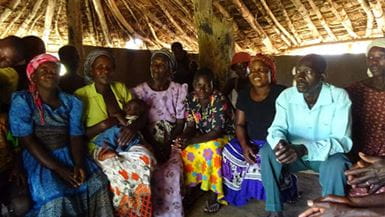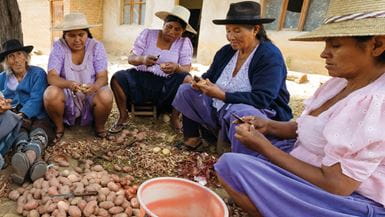
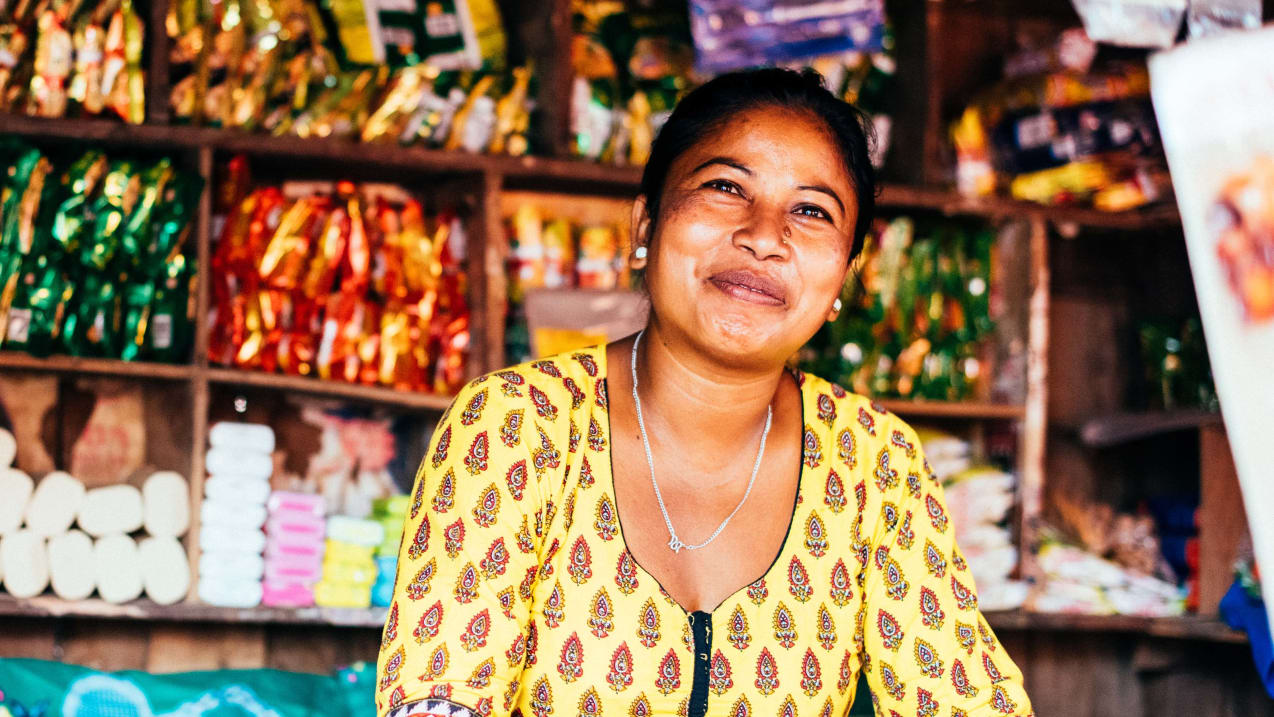
Tearfund carried out research studies in Uganda, Sierra Leone, Bolivia and Nepal to find out how Church and Community Transformation (CCT) processes bring improvements to people’s lives and reduce poverty.
Research was carried out using an evaluation methodology called the Qualitative Impact Assessment Protocol (QuIP), which measures qualitative impact in a robust, credible and unbiased manner.
Developed by the University of Bath and curated by Bath Social and Development Research, the QuIP uses ‘blindfolded’ interviews and focus groups to hear from individuals about what they believe has caused change in their lives, without revealing what programme is being evaluated. The methodology measures qualitative impact in a robust, credible and unbiased manner. All references to CCT made during the research by participants were unprompted, shared as they told their stories of change. The analysis is coded with the online research tool Causal Map to provide a clear picture of the impact of the programme.
Tearfund commissioned and published four studies: in Uganda (2016), Sierra Leone (2018), Bolivia (2019) and Nepal (2021). These identify how Church and Community Mobilisation (CCM) has impacted the lives, livelihoods and wellbeing of the communities that we or our partners work with in those countries. The findings from these four studies have also been combined in a synthesis report.
The evidence in this report shows that when the church works with the community, it is an effective and sustainable solution to overcoming poverty.
Four areas of transformation are covered in the synthesis report:
- The church reaching out
- Hope restored
- Improved relationships
- Resilient livelihoods