
This 16-page resource is a learning product from the Joint Initiative for Strategic Religious Action (JISRA) titled ‘Eight Lessons on Powershift’. Based on five years of implementing Freedom of Religion and Belief (FoRB) programmes across seven countries, it synthesises empirical insights on how large international consortia can foster local ownership, share decision-making, and shift power to in-country organisations.
Tools and guides
Eight lessons on powershift
Insights from JISRA's five years promoting power shift and local ownership in interfaith action
2026 Available in English

Eight lessons on powershift cover photo

From: The Joint Initiative for Strategic Religious Action (JISRA)
A comprehensive selection of valuable peacebuilding and advocacy tools and resources from the JISRA programme.
From the outset, JISRA aimed to strengthen the ownership, influence, and leadership of in-country organisations. An integral part of this ambition was for consortium partners to progressively rethink and adapt how they shared decision-making, resources, and leadership throughout the partnership. Through co-creation, inclusive governance structures, contextualised planning, monitoring, evaluation and learning (PMEL), and continuous reflection, the programme sought to create opportunities for local actors to shape priorities, implementation, learning, and decision-making. At the same time, shifting power within a large, multi-country consortium proved to be a continuous process rather than a one-off design choice. Throughout implementation, new questions and tensions emerged around participation, decision-making, accountability, representation, organisational systems, and the translation of participation into meaningful influence.
Drawing on five years of JISRA implementation, this guide brings together eight lessons on working towards a power shift. The lessons are based on reflections from all partners, programme documentation, learning events, evaluations, and other knowledge products developed throughout the programme. Rather than presenting power shift as a completed project, each lesson highlights a learning from JISRA's experience and concludes with ‘Food for Thought’ reflection questions. Together, these reflections are intended to support others in designing, implementing, and continuously reflecting on powershift within (future) partnerships and programmes.
Drawing on five years of JISRA implementation, this guide brings together eight lessons on working towards a power shift. The lessons are based on reflections from all partners, programme documentation, learning events, evaluations, and other knowledge products developed throughout the programme. Rather than presenting power shift as a completed project, each lesson highlights a learning from JISRA's experience and concludes with ‘Food for Thought’ reflection questions. Together, these reflections are intended to support others in designing, implementing, and continuously reflecting on powershift within (future) partnerships and programmes.
Download resource
Similarly Tagged Content


Have you used this resource?
We’d love to hear how it helped you. Your feedback helps us improve and share more of what matters.

Get our email updates
Be the first to hear about our latest learning and resources
Sign up now - Get our email updatesRelated Resources
-
Tools and guides
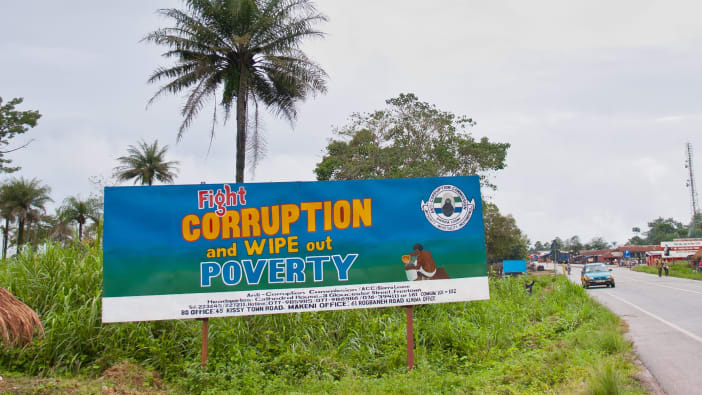
Why advocate on governance and corruption?

How to promote transparency, combat bribery and hold governments to account
Available in 4 languages
-
Tools and guides
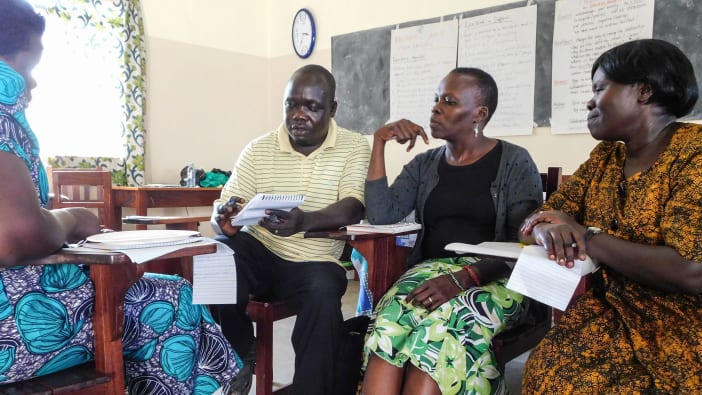
Organisational governance – a Roots guide
Describes how organisations can set up and improve their governing body
Available in 5 languages
-

JISRA endline evaluations and learning papers
Evaluations and learning briefs from the groundbreaking Joint Initiative for Strategic Religious Action (JISRA) programme
Available in 1 language
