This case study explores the role of the Joint Initiative for Strategic Religious Action (JISRA) in strengthening peace, security and cohesion in Kaduna and Plateau States through interfaith cooperation. Using a comparative approach, it contrasts outcomes in JISRA-supported communities with neighbouring non-JISRA communities. The findings show that structured dialogue, trust-building, respect for Freedom of Religion or Belief (FoRB), and linking peace with livelihoods have generated tangible gains in conflict reduction and community resilience.
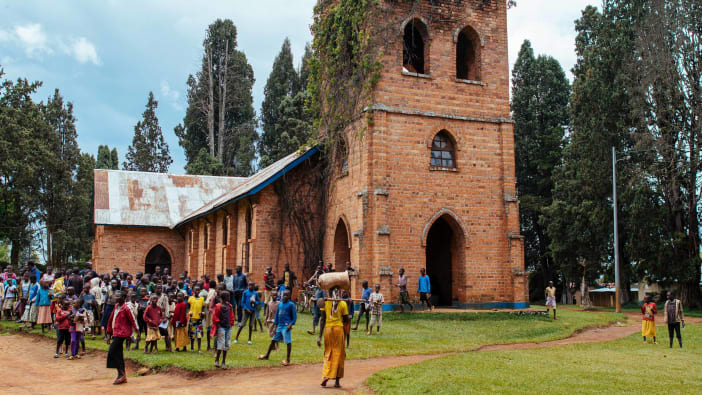
Plateau and Kaduna states have long grappled with farmer herder conflicts, ethno-religious violence, and youth restiveness. Plateau and Kaduna States, in particular, have experienced cycles of mistrust between Christians and Muslims, where differences in faith identities were often manipulated to fuel division. Respondents described how these dynamics hardened social divides and left communities vulnerable to recurring violence and exclusion.
Against this backdrop, JISRA introduced peacebuilding interventions grounded not only in interfaith dialogue and socio-economic cooperation, but also in a strong emphasis on Freedom of Religion or Belief (FoRB). By engaging both religious and traditional leaders, women and youth groups, JISRA fostered a culture where leaders became advocates for acceptance, inclusivity, and the protection of religious freedoms. Religious leaders were encouraged to preach inclusively, reduce bias, and openly support FoRB principles, while traditional leaders worked to integrate these values into local governance and conflict resolution systems. This dual engagement positioned leaders as sustainable champions for FoRB, ensuring that advocacy would continue beyond the life of the project.
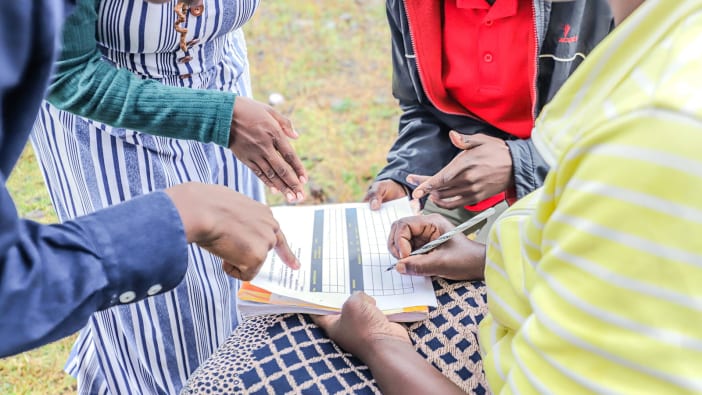
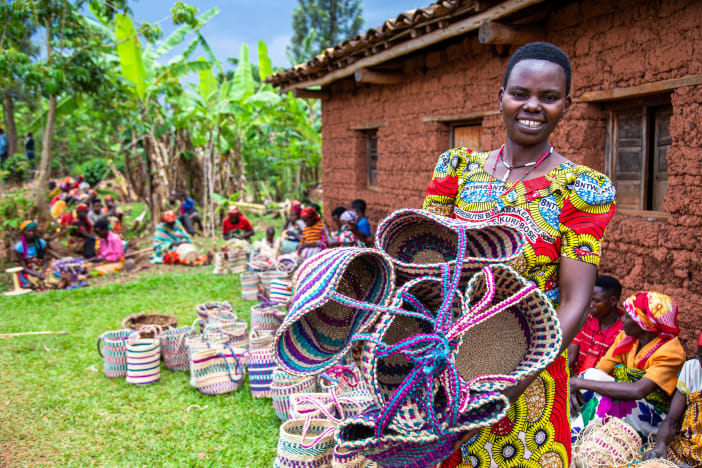
JISRA facilitated training and sensitisation sessions on FoRB themes for community stakeholders, creating awareness that respect for religious freedom was not only a human right but also a cornerstone of peaceful coexistence. These efforts were complemented by socio-economic initiatives, such as Village Savings and Loan Associations (VSLAs), which intentionally brought together people across faith divides to collaborate in practical, trust-building activities. In this way, FoRB was both a principle and a practice woven into daily community life.
The comparative evidence shows that JISRA-supported communities are better positioned to manage conflict than their non-JISRA counterparts. By institutionalising dialogue, promoting FoRB, empowering marginalised groups, and linking peace to livelihoods, JISRA has provided a replicable model for sustainable peace. Moving forward, the challenge is to ensure sustainability by embedding these gains within state and community structures, while extending them to neighbouring communities still at risk.